Kicking off with the fundamentals, studying how to attract anime requires a deep understanding of the elemental strategies and types that make this artwork type so charming. From conventional Japanese artwork strategies to fashionable digital instruments, the artwork of anime has advanced considerably through the years.
Whether or not you are a seasoned artist or a newbie, this complete information will stroll you thru the important steps to drawing anime characters, backgrounds, and even superior strategies for creating intricate art work.
Understanding the Fundamentals of Anime Artwork
Anime, a method of Japanese animation, has advanced considerably since its inception within the early twentieth century. From its humble beginnings as a type of leisure in Japan, anime has grown to develop into a world phenomenon, influencing animation tendencies worldwide. Its cultural significance extends past Japan, with anime characters and storylines changing into family names globally.The evolution of anime has been formed by conventional Japanese artwork strategies, together with ukiyo-e woodblock prints and Sumi-e brush portray.
These strategies have contributed to the event of distinctive anime aesthetics, characterised by vibrant colours, dynamic poses, and detailed backgrounds. The fusion of conventional artwork kinds with fashionable expertise has resulted within the distinctive visible model of anime.Varied anime types have emerged through the years, every with its distinct traits.
Shojo Anime: Give attention to Feelings
Shojo anime targets a predominantly feminine viewers and emphasizes romantic relationships, self-discovery, and emotional progress. Shojo anime usually options slender, expressive characters, elaborate hairstyles, and vibrant clothes. Sequence like Sailor Moon and Fruits Basket exemplify the shojo model, with its concentrate on relationships and emotional depth.In distinction,
Shonen Anime: Motion and Journey
shonen anime caters to a male viewers, emphasizing motion, journey, and fantasy parts. Shonen anime characters are sometimes bigger than life, with exaggerated options and a concentrate on martial arts, science fiction, or fantasy worlds. Sequence like Dragon Ball and Naruto are quintessential examples of shonen anime, with their fast-paced motion and epic storylines.One other distinct model is
Mecha Anime: Robots and Know-how
mecha anime, which originated within the Nineteen Seventies, focuses on robots and superior expertise. Mecha anime collection usually discover themes of science fiction, house exploration, and human-machine interactions. Mecha anime characters put on elaborate exoskeletons or mechs, which function a device for fight, transportation, or exploration. Sequence like Gundam and Neon Genesis Evangelion showcase the mecha model, with its emphasis on expertise and futuristic settings.
Variations in Anime Types
The distinct types of anime aren’t restricted to shojo, shonen, and mecha. Different types, similar to
Mahou Shoujo: Magic Ladies
,
To dive into the world of anime drawing, it is important to develop your expertise in capturing distinctive facial expressions and proportions. Nevertheless, a well-deserved examine break will be fueled by a soothing matcha ceremony, which, requires precision in whisking and a focus on balance , not not like the concord wanted to attract anime’s intricate particulars. As soon as you have refocused, you’ll be able to follow drawing varied characters, experimenting with totally different poses and feelings.
Seinen: Mature Themes
, and
Josei: Grownup Romance, How to attract anime
, cater to particular viewers demographics and discover distinctive themes.
Key Options of Anime Types
| Fashion | Attribute Options | Goal Viewers | Key Themes || — | — | — | — || Shojo | Emphasis on feelings, relationships, and self-discovery | Feminine viewers | Romantic relationships, emotional progress || Shonen | Exaggerated characters, motion, and journey | Male viewers | Motion, journey, fantasy, martial arts || Mecha | Robots, expertise, and science fiction | Varied | Science fiction, house exploration, human-machine interactions || Mahou Shoujo | Magic ladies, fantasy settings | Feminine viewers | Friendship, self-discovery, fantasy || Seinen | Mature themes, real looking settings | Male viewers | Grownup themes, social commentary || Josei | Romance, relationships | Feminine viewers | Grownup romance, drama |These types have contributed to the richness and variety of anime, offering an unlimited array of decisions for audiences worldwide.
Drawing anime characters is a talent that requires follow, endurance, and dedication. Nevertheless, with the fitting steering and strategies, you’ll be able to study to create beautiful anime characters that seize the essence of this fashionable artwork model. On this part, we’ll cowl the fundamental drawing strategies for anime characters, together with facial options, poses, and important drawing instruments and provides.
When drawing anime characters, facial options are essential in conveying feelings and persona. The proportions of the face are additionally important in making a balanced and harmonious design. Listed below are the fundamental tips for drawing facial options and proportions:
- The top is roughly divided into 5 sections, with the eyes being probably the most outstanding function.
- The eyes must be almond-shaped and tilted barely, giving the character a extra anime-like look.
- The nostril must be small and barely upturned, giving the character a cute and endearing look.
- The mouth must be skinny and curved, with a delicate smile and lips which might be barely parted.
- The ears must be pointed and barely rounded, giving the character a extra female or androgynous look.
The general proportions of the face must be maintained as follows:
| Characteristic | Ratio |
|---|---|
| Eye distance | One eye must be half to two-thirds the gap between the nostril and the underside of the chin. |
| Nostril size | The nostril must be roughly one-third the size of the chin. |
| Mouth width | The mouth must be roughly one-quarter the width of the face. |
Expressions and eye placement are important in conveying the character’s feelings and temper. Listed below are some suggestions for drawing expressive eyes and facial expressions:
- Eyebrows must be thick and expressive, with a delicate arch to convey a spread of feelings.
- The eyes must be positioned comparatively shut collectively, with the left eye barely increased than the fitting eye to create a extra anime-like look.
- The mouth must be expressive, with a delicate curve to convey happiness, disappointment, or different feelings.
- The nostril must be relaxed and barely upturned, giving the character a extra open and pleasant look.
Listed below are some examples of various facial expressions and tips on how to obtain them:
Anime characters are recognized for his or her dynamic poses and fluid actions. To seize a dynamic pose, comply with the following tips:
- Use reference photographs or observe folks in real-life to get a way of motion and move.
- Experiment with totally different arm and leg positions to create a way of motion and rigidity.
- Take note of the burden and stability of the character’s physique, with the middle of gravity barely shifted to create a extra dynamic pose.
Drawing anime characters requires a spread of instruments and provides. Listed below are some necessities to get you began:
- Pencils: A set of graphite pencils (HB, 2B, 4B, 6B) for sketching and shading.
- Markers: A set of Copic or Prismacolor markers for daring strains and brilliant colours.
- Eraser: A kneaded eraser for correcting errors and erasing undesirable strains.
- Paper: A pack of blended media paper (90-100 gsm) for sketching and drawing.
- Reference photographs: A group of reference photographs or real-life observations to get inspiration and steering.
By mastering these fundamental drawing strategies and important drawing instruments and provides, you’ll be able to create beautiful anime characters that showcase your expertise and creativity. Keep in mind to follow recurrently and experiment with totally different types and strategies to develop your distinctive creative voice.
Along with the proportions and placement tips talked about above, listed here are some s to think about when drawing facial options:
- Measuring and evaluating the dimensions of facial options in proportion.
- Utilizing facial expressions and feelings to tell the proportions and placement of facial options.
- Creating depth and dimension by various the dimensions and placement of facial options.
“The dimensions and placement of facial options can significantly impression the character’s total expression and persona.”
By contemplating these s and experimenting with totally different strategies, you’ll be able to develop a extra nuanced and expressive understanding of facial options and proportions in anime characters.
Anatomy and Proportion in Anime Character Design

Relating to creating anime characters, understanding the fundamentals of anatomy and proportion is essential. Anime characters usually have exaggerated options, however they’re nonetheless grounded in real-world human anatomy.In conventional human anatomy, the proportions of the pinnacle, torso, and limbs are usually measured utilizing the “rule of proportions” – a tenet that implies the pinnacle is roughly one-seventh the peak of the physique, with the torso being roughly half the physique’s top in a standing place.
In distinction, anime characters usually have longer limbs, bigger eyes, and extra angular facial options. Whereas anime anatomy will be fairly stylized, it is nonetheless based mostly on human anatomy and requires an understanding of the underlying constructions.One key distinction between human and anime anatomy is the way in which proportions are measured. Anime artists usually use a way known as “skeletimation” – making a collection of easy shapes to signify the skeletal construction of the character – to assist them obtain correct proportions.
This includes measuring the gap between key factors on the character’s physique, such because the width of the shoulders or the gap between the elbows.Measuring and utilizing grids to realize correct proportions in drawings is crucial in anime character design. By breaking down the character’s physique into smaller sections and utilizing a grid to measure the proportions, artists can be sure that their drawings are well-balanced and visually interesting.
Facial Options and Feelings
The face is a key side of any character’s design. Anime characters usually have exaggerated facial options, similar to giant eyes, outstanding cheekbones, or dramatic eyebrows. To create a plausible character, artists want to think about how the facial options will convey feelings and expressions.In anime artwork, facial options are sometimes divided into key areas, together with the eyes, eyebrows, nostril, mouth, and jawline.
Whereas honing your expertise in drawing anime, you need to perceive that each artwork and plumbing have their very own set of uncloggers – similar to the way you want the fitting instruments to convey out the small print in a personality’s facial features, chances are you’ll want to make use of an auger or a plumber’s snake to take away cussed clogs in your bathroom, as outlined in our information on how to unclog toilet , which will be simply as irritating as attempting to redraw a personality’s eyes for the tenth time.
Every of those areas performs an important function in conveying feelings, from pleasure and pleasure to disappointment and anger.To realize an correct illustration of the character’s feelings, artists want to review the subtleties of facial expressions. This will contain observing real-life expressions or learning the work of different artists.
BODY SHAPE AND CLOTHING
The physique form and clothes of an anime character can significantly impression the general design. Anime artists usually use inventive liberties to design our bodies and clothes which might be each visually interesting and useful.Relating to physique form, anime artists usually concentrate on creating a way of proportion and stability. This will contain adjusting the dimensions and placement of muscle groups, bones, and different options.
Artists might also select to magnify sure options, such because the bust or hips, to create a extra dramatic impact.Clothes and accessories also can play a key function within the character design. Artists usually select clothes and niknaks which might be each useful and visually interesting, making an allowance for components similar to textures, colours, and patterns.
Refining Character Design
The ultimate phases of character design contain refining the general appear and feel of the character. This will contain adjusting facial options, physique form, and clothes to create a cohesive and plausible design.When refining character design, artists ought to think about a number of key components, together with proportion, stability, and visible enchantment. They need to additionally examine the work of different artists and search suggestions from friends and mentors.In the end, the purpose of character design is to create a plausible and interesting character that audiences can join with.
By understanding the fundamentals of anatomy and proportion, anime artists can create characters which might be each visually interesting and grounded in real-world human anatomy.
Drawing Anime Hair and Equipment
Anime hairstyles are a singular mix of cultural influences and inventive expressions. From the enduring twin tails to the intricate updos, every model is a mirrored image of the character’s persona, background, and emotional state. On this part, we’ll delve into the world of anime hair and equipment, exploring their cultural significance, historic context, and design rules.
Cultural Significance of Anime Hairstyles
Anime hairstyles usually mirror the cultural and historic context by which they had been created. For instance, the enduring “samurai” hairstyles of historic Japan are nonetheless depicted in anime immediately, full with topknots and queues. In distinction, fashionable anime hairstyles usually incorporate parts of Western trend, similar to afros and dreadlocks. By understanding the cultural significance of those hairstyles, artists can create extra genuine and nuanced characters.
- The dual tail coiffure, for instance, originated within the Edo interval (1603-1867) as a logo of standing and wealth.
- Samurai hairstyles, characterised by a topknot and queue, had been worn by warriors as a logo of honor and loyalty.
- Fashionable anime hairstyles usually incorporate Western parts, reflecting Japan’s rising cultural alternate with the West.
Capturing Delicate Textures and Particulars
Anime hair and equipment aren’t simply aesthetic parts; they require cautious consideration to element and texture. By including delicate textures and particulars, artists can create a extra immersive and interesting visible expertise. For instance, a personality’s hair would possibly seem like made of various supplies, similar to silk or wool, or have a delicate shine or sample.
| Methods for Capturing Textures | Examples |
|---|---|
| Hatching and cross-hatching | Used to create fantastic strains and textures, such because the delicate shine of a personality’s hair. |
| Atmospheric perspective | Used to create a way of depth and distance, such because the comfortable focus of a personality’s hair within the background. |
| Shading and lighting | Used to create a way of quantity and dimension, such because the highlights on a personality’s hair. |
Designing Character Equipment
Character equipment could be a enjoyable and inventive manner so as to add persona and aptitude to an anime character. By designing these equipment to be useful and classy, artists can add an additional layer of depth and curiosity to their characters.
- Hats will be designed to mirror a personality’s persona, similar to a punk rock-inspired beanie or a standard Japanese kimono-style hat.
- Glasses will be designed to mirror a personality’s model, similar to vintage-inspired frames or fashionable, high-tech glasses.
- Jewellery will be designed to mirror a personality’s persona, similar to a daring, assertion piece or a fragile, elegant necklace.
Designing Hypothetical Equipment
Let’s design a hypothetical set of character equipment, together with a hat, glasses, and jewellery. To make these equipment useful and classy, we’d select the next designs:
| Equipment | Description |
|---|---|
| Hat | A large-brimmed hat with a fragile, lace trim and a appeal within the form of a cherry blossom. |
| Glasses | Classic-inspired frames with a delicate, textured end and a pair of brilliant, red-tinted lenses. |
| Jewellery | A fragile, filigree-style necklace with a small, crystal pendant in a delicate, gradient blue colour. |
“The important thing to creating real looking and interesting anime hair and equipment is to concentrate on subtlety and nuance.”
Bringing Anime Characters to Life with Feelings and Expression
Anime characters are famend for his or her emotive expressiveness, charming audiences worldwide. The subtleties of non-verbal communication play a major function in anime, conveying complicated feelings and telling partaking tales. On this part, we’ll delve into the intricacies of non-verbal communication, together with gestures, physique language, and facial expressions, and discover how they contribute to character improvement and emotional resonance.
Non-Verbal Communication in Anime
Non-verbal communication is a elementary side of human interplay, and anime makes use of varied kinds to convey feelings and inform tales. In anime, non-verbal cues similar to gestures, physique language, and facial expressions are sometimes used to convey complicated feelings and reactions. These cues will be intentionally crafted to evoke particular feelings or reactions from the viewers, making them an important side of anime storytelling.
- Gestures: Anime characters regularly use gestures to convey feelings, reactions, or intentions. For instance, a personality would possibly use a sweeping gesture to emphasise their feelings or a delicate nod to point understanding.
- Physique Language: Physique language, similar to posture, facial expressions, and eye contact, performs an important function in anime non-verbal communication. Characters’ physique language can reveal their feelings, attitudes, or intentions, making them extra relatable and interesting.
- Facial Expressions: Facial expressions are a robust device for conveying feelings in anime. Characters’ facial expressions can vary from delicate micro-expressions to dramatic, exaggerated reactions, including depth and complexity to their feelings.
Conveying Advanced Feelings and Character Growth
Anime characters’ expressions and reactions aren’t simply mere elaborations, however quite a deliberate option to convey complicated feelings and character improvement. By utilizing a spread of facial expressions, physique language, and gestures, characters can categorical quite a lot of feelings, from delicate nuances to intense reactions.
- Emotional Depth: Characters’ emotional depth will be conveyed via their facial expressions, physique language, and gestures. For instance, a personality would possibly exhibit excessive emotional depth via their facial features, posture, or voice tone.
- Character Growth: A personality’s expressions and reactions also can reveal their progress, improvement, and persona. As a personality navigates via challenges or relationships, their expressions and reactions can change, showcasing their emotional progress and maturity.
- Subtlety and Authenticity: Efficient anime characters usually convey complicated feelings via delicate, genuine expressions. Characters’ facial expressions and physique language will be intentionally crafted to evoke a selected emotional response from the viewers.
Designing Character Expression Sheets
To create a complete character, designers usually create expression sheets that Artikel varied feelings, reactions, and poses. These sheets can embody a variety of feelings, from delicate nuances to dramatic reactions, and assist designers develop a personality’s emotional depth and authenticity.
- Hypothetical Character Expression Sheet:
| Emotion | Description | Instance Picture |
|---|---|---|
| Happiness | A large, brilliant smile, with a relaxed posture and energetic physique language. | Instance Picture: A personality leaping for pleasure, arms outstretched, with a brilliant smile and glowing eyes. |
| Unhappiness | A downturned mouth, with drooping facial muscle groups and a slumped posture. | Instance Picture: A personality sitting alone, with a downturned mouth and slumped posture, reflecting their disappointment. |
Facial expressions can convey complicated feelings and character improvement in anime, however it’s important to stability subtlety and authenticity to create a plausible character.
Superior Anime Artwork Methods and Types: How To Draw Anime
Creating refined and visually interesting anime art work requires a deep understanding of varied strategies and types. These superior strategies contain combining a number of artwork kinds, experimenting with new supplies, and using digital instruments to supply distinctive and charming visible results.Superior anime artwork strategies will be broadly categorized into three primary classes: conventional media, digital portray, and hybrid approaches. Conventional media, similar to watercolor and ink, can be utilized to create intricate and detailed art work with distinctive textures and results.
Digital portray, however, affords a wealth of instruments and prospects for creating stylized and futuristic artwork.The method of making intricate and detailed artwork types, similar to watercolor and ink, requires a mix of talent, endurance, and follow. To realize these types, artists should grasp varied strategies, together with layering, mixing, and texture creation. Watercolor portray, for instance, includes wetting paper with water and pigment to realize delicate, watercolor-style results.
Ink drawing, however, includes utilizing a spread of ink instruments and strategies, similar to brushwork and calligraphy, to create detailed and complex designs.
Layering and Textures
Layering and textures are important parts of anime artwork that may add depth and visible curiosity to art work. Layers can be utilized to construct up composition, create complicated backgrounds, and add dimensionality to characters and objects. Textures, however, can be utilized to create detailed and real looking surfaces, add visible curiosity, and convey emotion and persona.
Stylized and Futuristic Artwork Types
Stylized and futuristic artwork types, similar to mecha and sci-fi parts, are fashionable in anime and manga. To create these types, artists use a spread of strategies, together with digital portray, mixing, and distortion. These types usually contain creating futuristic landscapes, automobiles, and characters, and can be utilized to convey a way of motion, journey, and fantasy.
Mecha and Sci-Fi Components
Mecha and sci-fi parts are central to many anime and manga artworks, significantly within the mecha style. To create these parts, artists use a spread of strategies, together with digital portray, texture creation, and 3D modeling. These strategies permit artists to create detailed and real looking mechs and sci-fi landscapes, full with intricate particulars and complicated methods.
Digital Portray Methods
Digital portray affords a spread of strategies for creating stylized and futuristic artwork types, together with mecha and sci-fi parts. Artists can use digital portray software program to create detailed and real looking art work, full with texture, colour, and lighting results. Digital portray additionally permits artists to experiment with new strategies and types, similar to combining conventional and digital media, and utilizing animation software program to create dynamic and interactive art work.
Hybrid Approaches
Hybrid approaches mix conventional and digital media to create distinctive and charming art work. By combining the tactile and expressive qualities of conventional media with the precision and flexibility of digital instruments, artists can create art work that’s each detailed and complicated. Hybrid approaches can be utilized to create stylized and futuristic artwork types, in addition to extra real looking and detailed art work.
Digital Instruments and Software program for Anime Artwork
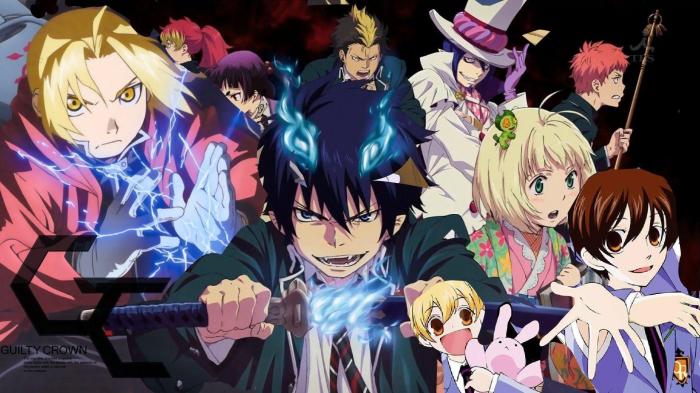
Relating to creating anime artwork, digital instruments and software program have revolutionized the method, making it extra accessible and handy. On this part, we’ll discover the assorted digital software program and instruments out there for creating anime artwork, together with Adobe Photoshop and Clip Studio Paint.
Fundamentals of Digital Portray and Drawing Methods
Digital portray and drawing strategies have develop into more and more fashionable amongst anime artists, and for good purpose. Not solely do they supply a excessive stage of precision and management, however in addition they permit for a variety of inventive expression. On the coronary heart of digital portray and drawing is using a digital pill and stylus. A digital pill permits artists to attract and paint straight on a digital canvas, whereas a stylus gives the precision and management wanted to create detailed and complex art work.
- The Wacom Intuos is a well-liked digital pill utilized by many anime artists.
- The Huion GT-220 is one other fashionable digital pill choice for these on a price range.
- Pen tablets, such because the XP-Pen Artist12, supply a conveyable and versatile drawing expertise.
Digital Software program and Instruments
There are quite a few digital software program and instruments out there for creating anime artwork, every with its distinctive options and capabilities. Two of the most well-liked choices are Adobe Photoshop and Clip Studio Paint.
- Adobe Photoshop is a broadly used digital portray and modifying software program.
- Clip Studio Paint is a drawing and portray software program particularly designed for manga and comedian artists.
- ZBrush is a digital sculpting and portray software program utilized by {many professional} animators and artists.
Important Plugins and Add-Ons
To take your anime artwork to the following stage, you will wish to discover the assorted plugins and add-ons out there for digital artwork software program. These can embody brushes, texture packs, and different inventive instruments that will help you obtain the specified appear and feel.
- Adobe Photoshop plugins, such because the Sketch and Paint brush packs, can add a variety of inventive prospects to your art work.
- Clip Studio Paint’s texture packs may also help add depth and element to your manga and comedian art work.
- Procreate’s brushes and texture packs can help in creating beautiful digital art work.
Digital Portray Methods
Digital portray strategies have advanced considerably through the years, with many artists pushing the boundaries of what is potential with these instruments. From delicate, real looking textures to vibrant, fantasy landscapes, digital portray affords countless inventive prospects.
Typically, it is not in regards to the instruments however how you employ them.
Software program Comparability
Relating to choosing the proper digital software program to your anime artwork, it is important to weigh the professionals and cons of every choice. Here is a short comparability of some fashionable digital software program:
| Software program | Execs | Cons |
|---|---|---|
| Adobe Photoshop | Business-standard software program, intensive library of brushes and textures, extremely customizable | Steep studying curve, costly, restricted animation capabilities |
| Clip Studio Paint | Specifically designed for manga and comedian artists, user-friendly interface, sturdy animation options | Much less versatile than Adobe Photoshop, restricted compatibility with different software program |
| ZBrush | Superior digital sculpting and portray capabilities, extremely customizable, intensive library of brushes and textures | Costly, steep studying curve, restricted compatibility with different software program |
Last Touches and Coloration Correction

Coloration correction and stability play an important function in anime artwork, because it elevates the general aesthetic and brings cohesion to the whole piece. A well-balanced colour scheme not solely captures the viewer’s consideration but additionally aids in conveying feelings and tone. By understanding the basics of colour correction, you’ll be able to add depth and dimension to your anime artwork, making it extra partaking and immersive for the viewers.Relating to including textures and ending touches, the hot button is to realize a stage of subtlety that does not detract from the general art work.
By incorporating highlights and shadows judiciously, you’ll be able to create a way of quantity and depth, drawing the viewer’s eye via the composition. The next are some strategies to think about when including these closing touches:
Distinction Management
Distinction is a elementary side of colour correction, because it helps create visible curiosity and emphasizes particular parts inside the art work. By balancing heat and funky colours, you’ll be able to create distinction, which may then be used to attract consideration to particular parts of the piece. When working with distinction, think about the next suggestions:
- Use distinction to separate parts of the art work, creating visible separation and aiding in storytelling.
- Experiment with totally different distinction ranges to search out the optimum stability, which may significantly impression the general temper and tone of the piece.
- When making use of distinction, think about the emotional response it would elicit from the viewer. Heat colours are inclined to evoke feelings related to consolation or familiarity, whereas cool colours can create a way of detachment.
Spotlight and Shadow Management
Highlights and shadows can significantly improve the three-dimensional high quality of anime artwork, by creating an phantasm of quantity and texture. When including these closing touches, think about the next suggestions:
- Highlights must be added with care, as extreme use can detract from the general art work. A even handed software will assist create a way of depth and dimension.
- When making use of shadows, think about the encompassing setting and the character’s emotional state. Shadows can convey a spread of feelings and create visible rigidity.
- Experiment with mixing shadows to realize a easy transition between mild and darkish areas, making a extra real looking and immersive expertise.
Edit and Refine
The ultimate phases of colour correction and ending touches contain modifying and refinement. This stage requires a essential eye, because the purpose is to make sure that the art work is balanced and visually interesting.
- Create a guidelines to evaluate particular facets of the art work, from colour stability to texture and highlights.
- Assessment the composition, being attentive to the rule of thirds, stability, and symmetry.
- Think about searching for suggestions from friends or mentors, as an goal perspective can significantly help in refining the art work.
Coloration correction is the ultimate step in a portray, and it shouldn’t alter the unique work, however quite refine it.
By making use of these strategies and contemplating the significance of colour correction and stability, you’ll be able to take your anime artwork to the following stage, creating immersive and interesting visuals that go away a long-lasting impression on the viewer.
Closure
With the data and expertise you have acquired from this information, you will be effectively in your method to creating beautiful anime art work that may impress and captivate audiences. Keep in mind to all the time follow endurance and persistence, and do not be afraid to experiment and check out new issues.
Prime FAQs
Q: What are the important instruments I have to get began with drawing anime?
Pencils, markers, paper, and a digital drawing pill are the fundamental requirements for drawing anime.
Q: How do I create dynamic poses and expressions in my anime art work?
Examine the anatomy of the human physique and follow capturing motion and vitality in your drawings.
Q: Can I draw anime with digital instruments solely?
Sure, fashionable digital software program and instruments like Adobe Photoshop and Clip Studio Paint make it simple to create anime art work solely digitally.
Q: What is the distinction between varied anime types, similar to shojo and shonen?
The first distinction lies in audience and story themes, with shojo specializing in romance and relationships and shonen specializing in motion and journey.
Q: How do I refine my character design and obtain correct proportions?
Use measuring and grids strategies to make sure correct proportions, and refine character design via delicate changes to facial options, physique form, and clothes.
